Skip to product information
1 of 6

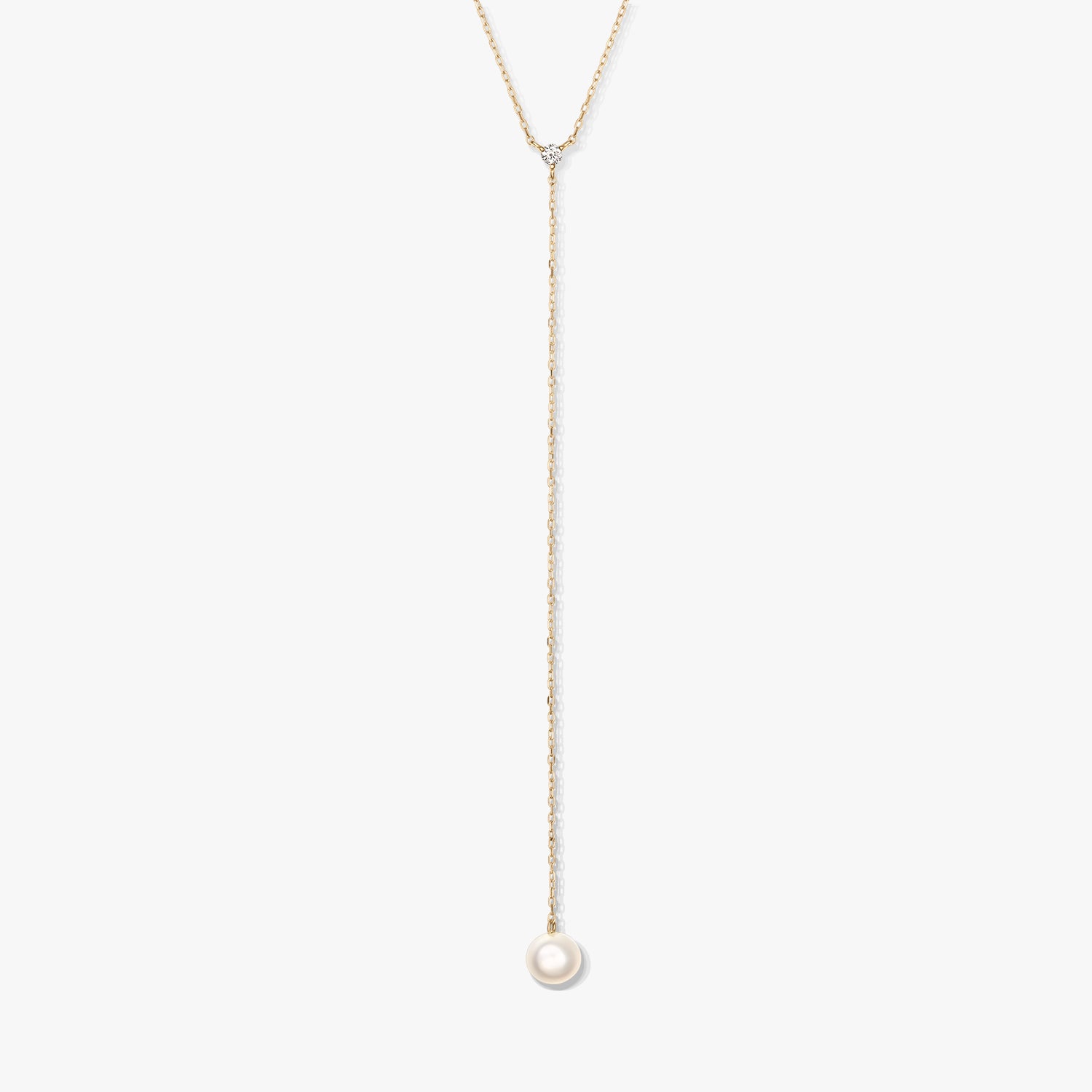
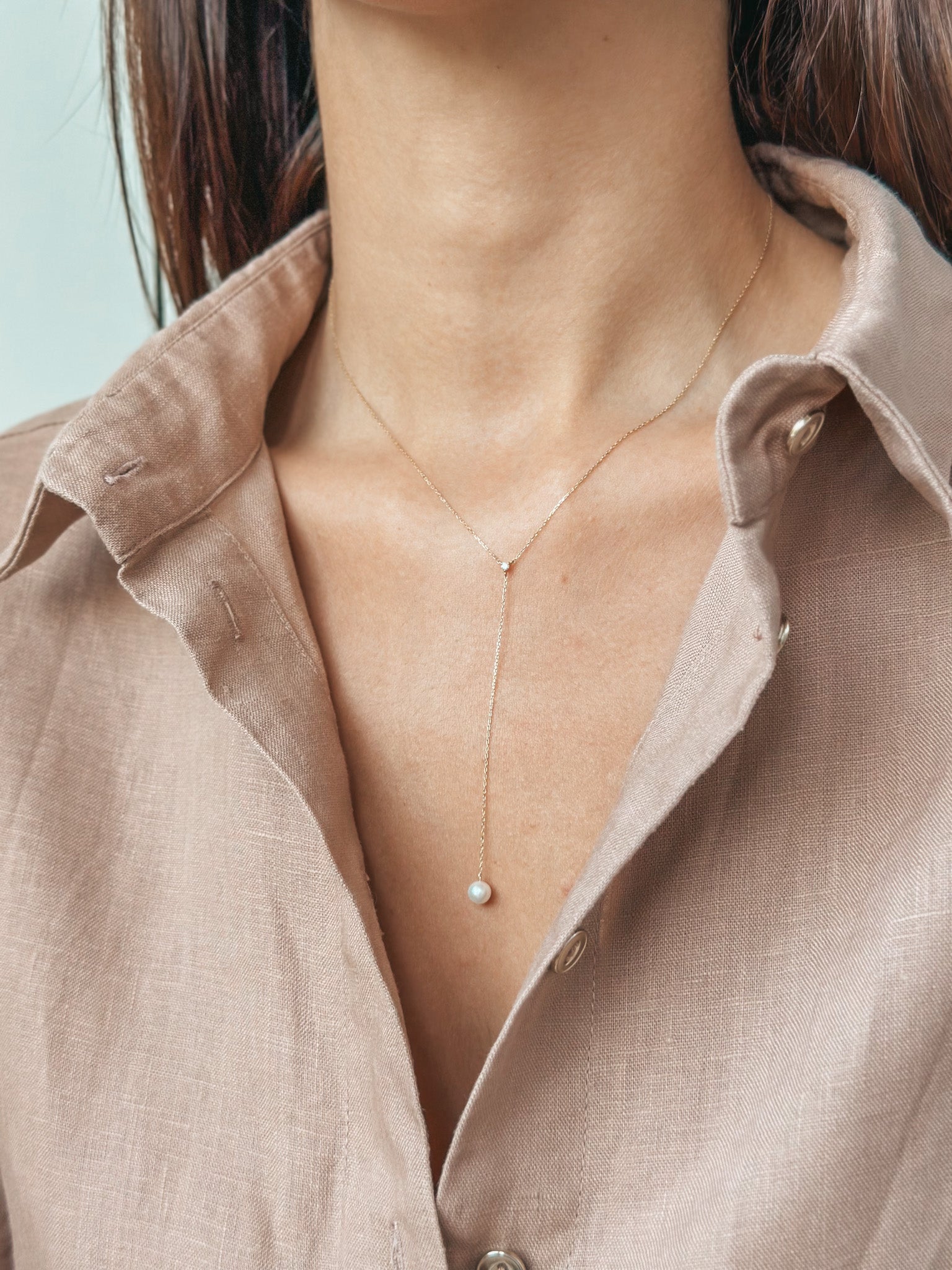
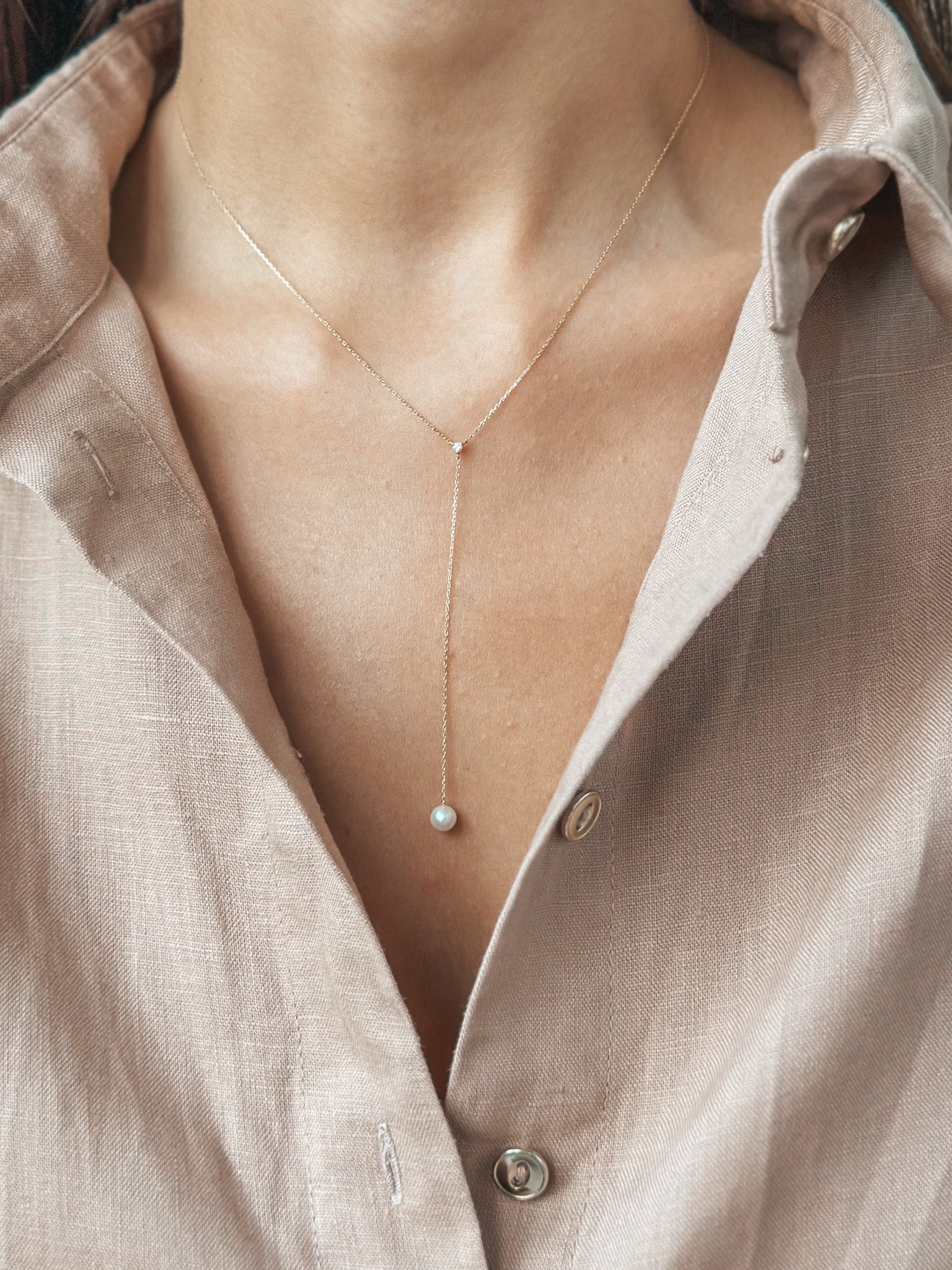
Yara Yellow Gold Necklace - Natural Pearls, Diamonds

14k Yellow Gold · Diamond, Pearl


Regular Price 350£
    Size 41-45 cm

    In stock

    30-Day Free Returns

    It's okay to change your mind. Enjoy free returns within 30 days of receiving your jewelry, with a flat shipping fee of 10 GBP.

    Certified Authenticity

    Worried about authenticity? Indira jewelry is inspected and hallmarked by ANPC according to law

    2-Year Warranty

    Concerned about quality? Indira jewelry comes with a 2-year warranty for manufacturing defects.

    Easy Portal Repairs

    Sometimes unexpected surprises happen. We repair your jewelry without you having to move through our Repair and Warranty Portal

    14k Yellow Gold

    Our 14K Gold jewelry is crafted to last a lifetime. Gold jewelry does not oxidize and does not change color, even when worn daily, year after year.

    View full details

    Piece Story

    Versatile

    Versatile

    Special occasions

    Special occasions

    Gift

    Gift

    Sophisticated look

    Sophisticated look

    Yara Yellow Gold Necklace - Natural Pearls, Diamonds

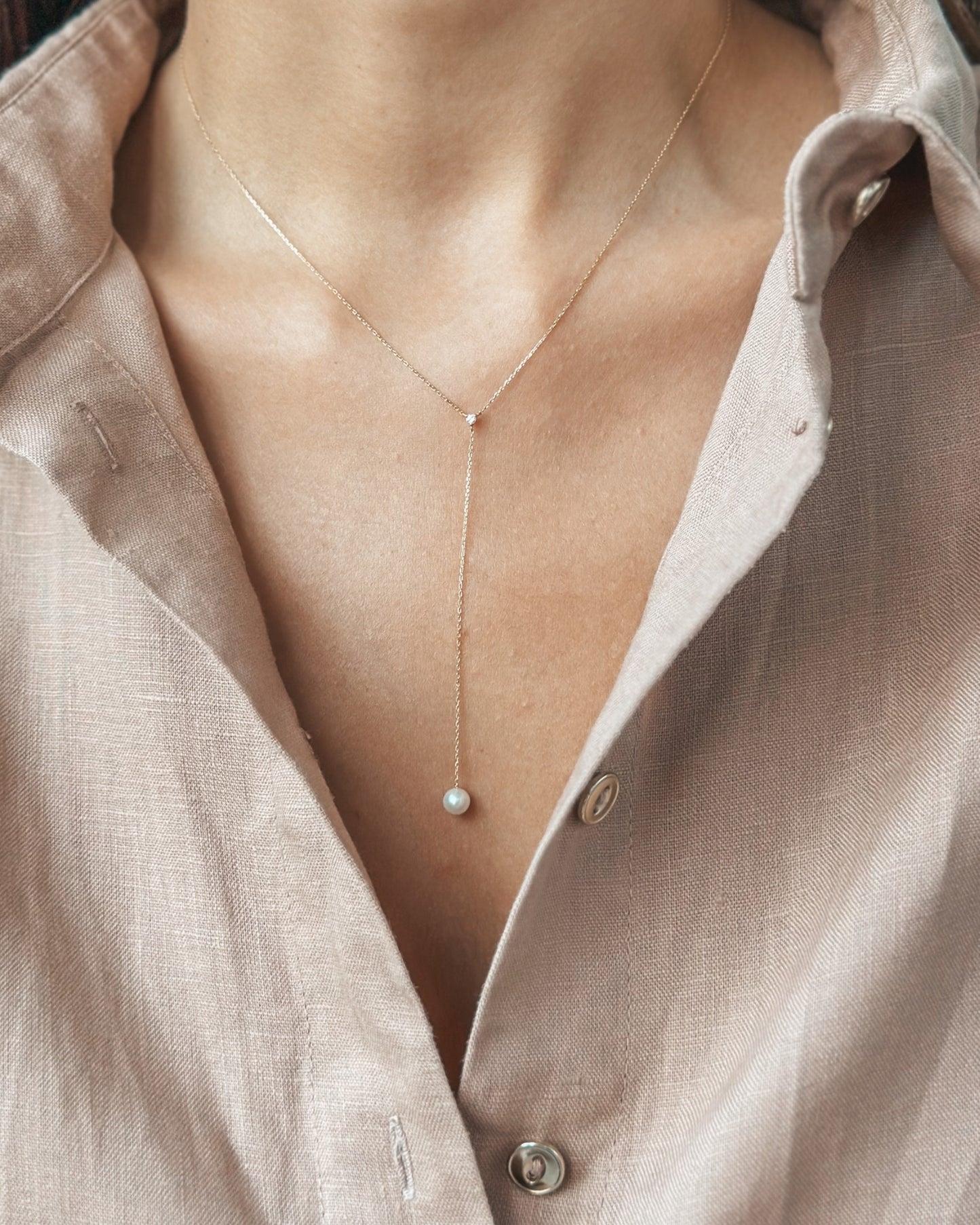
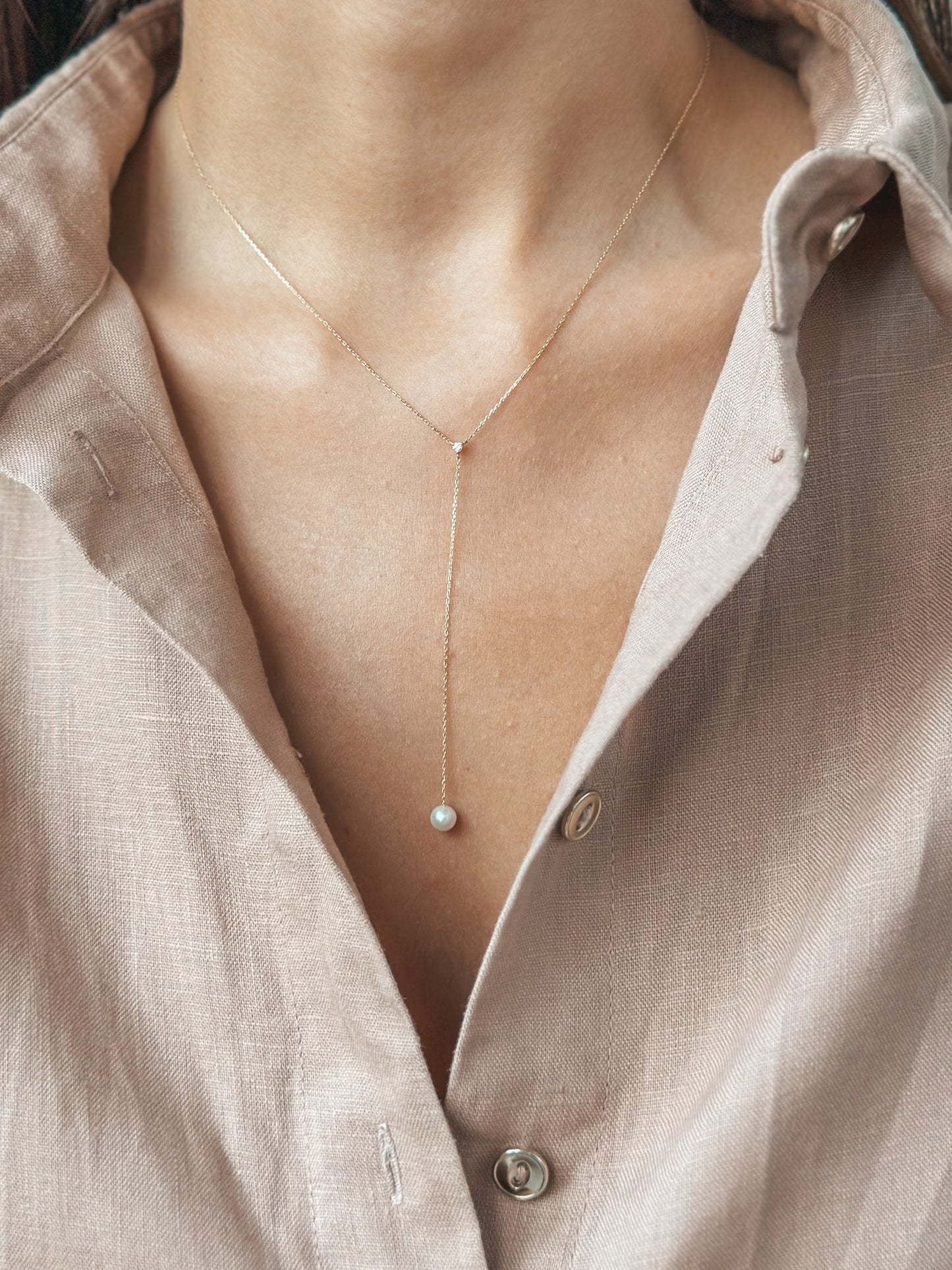
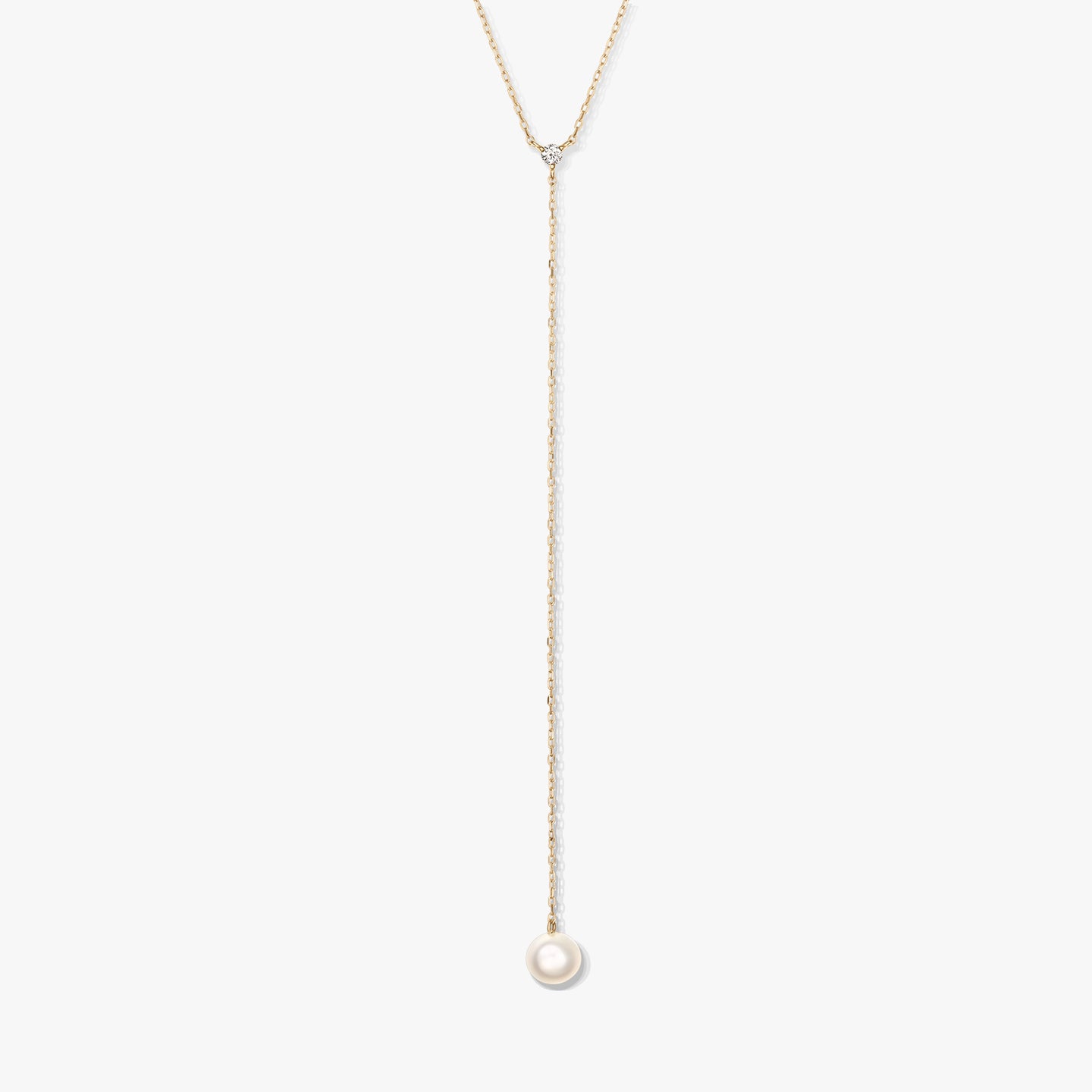
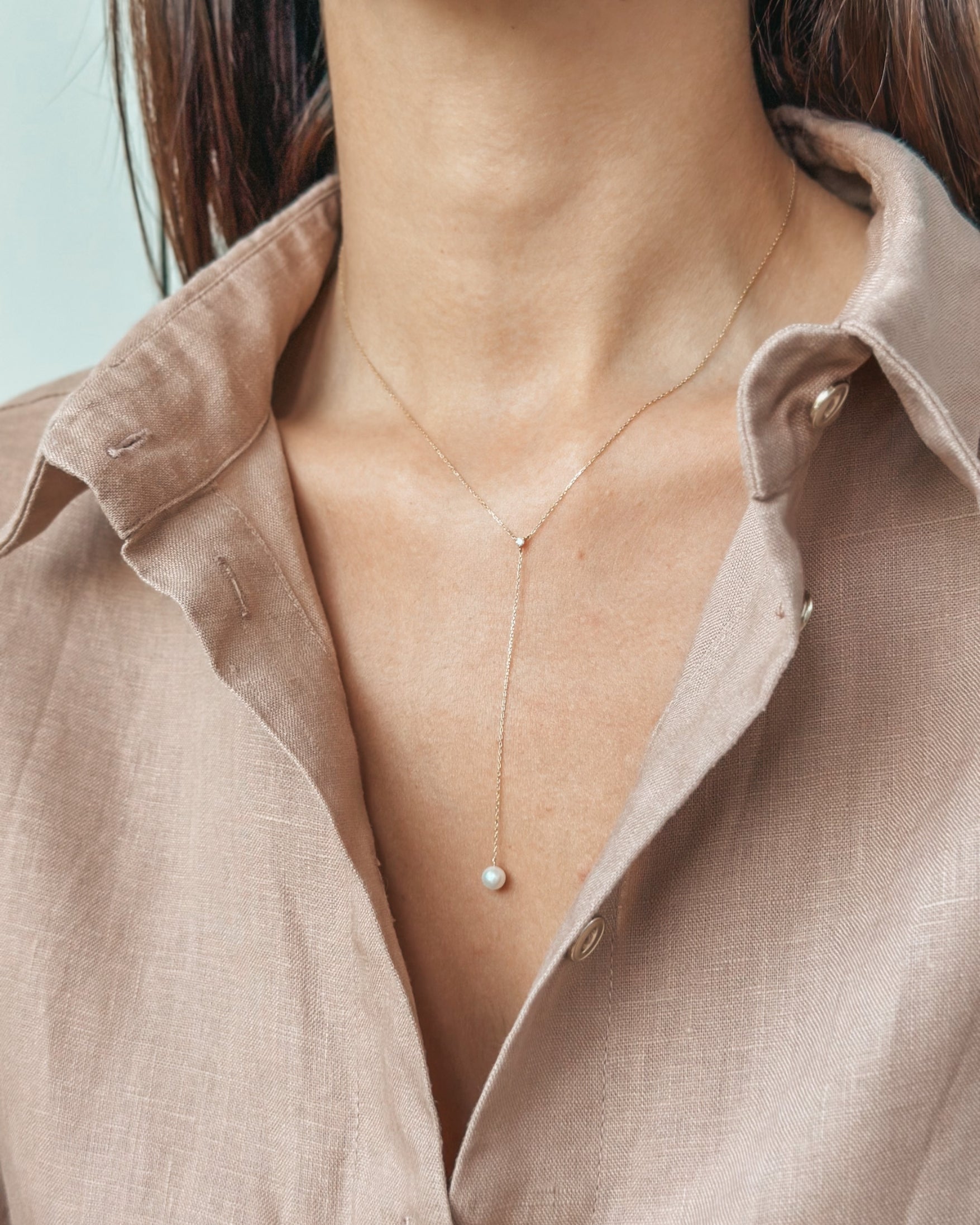
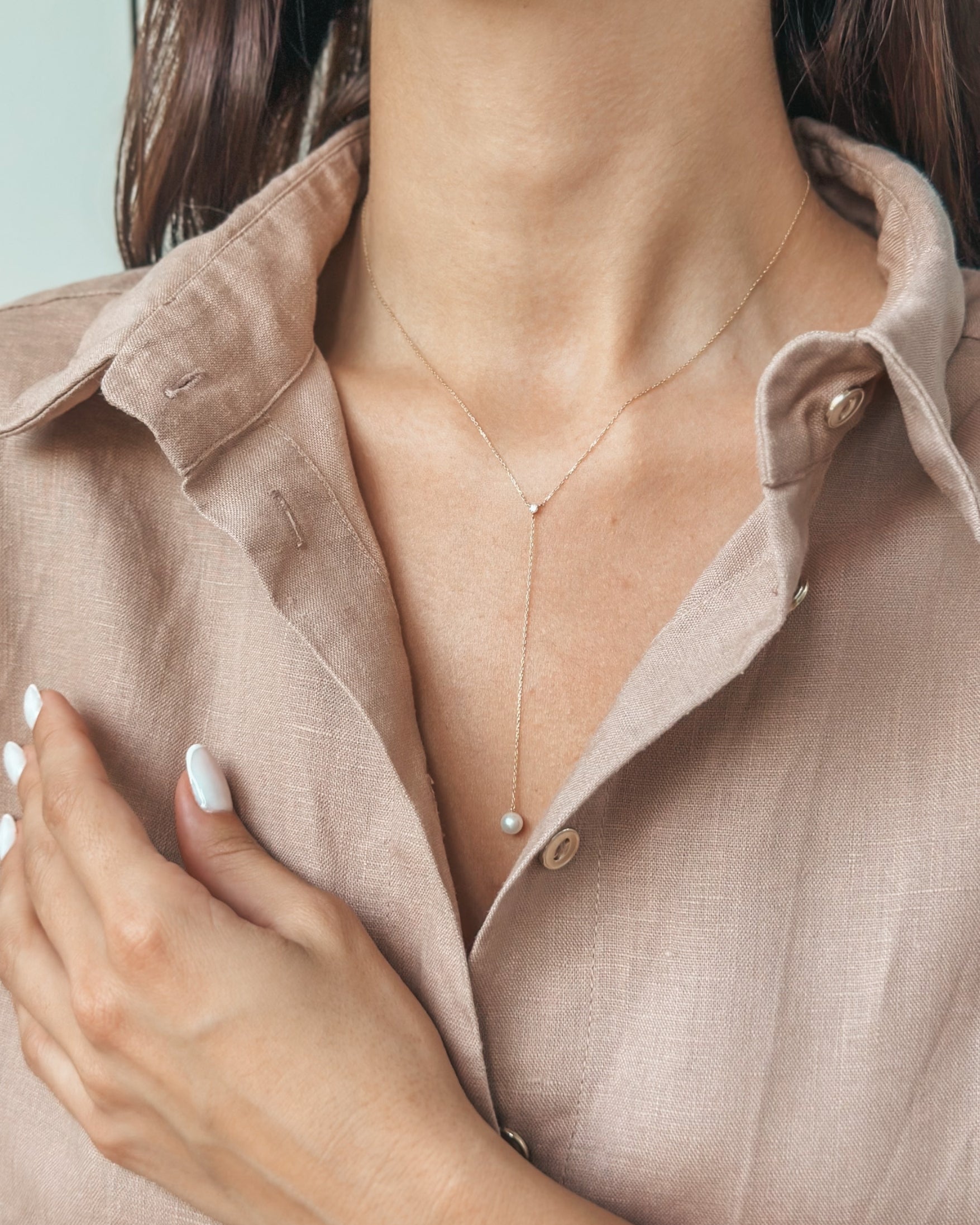
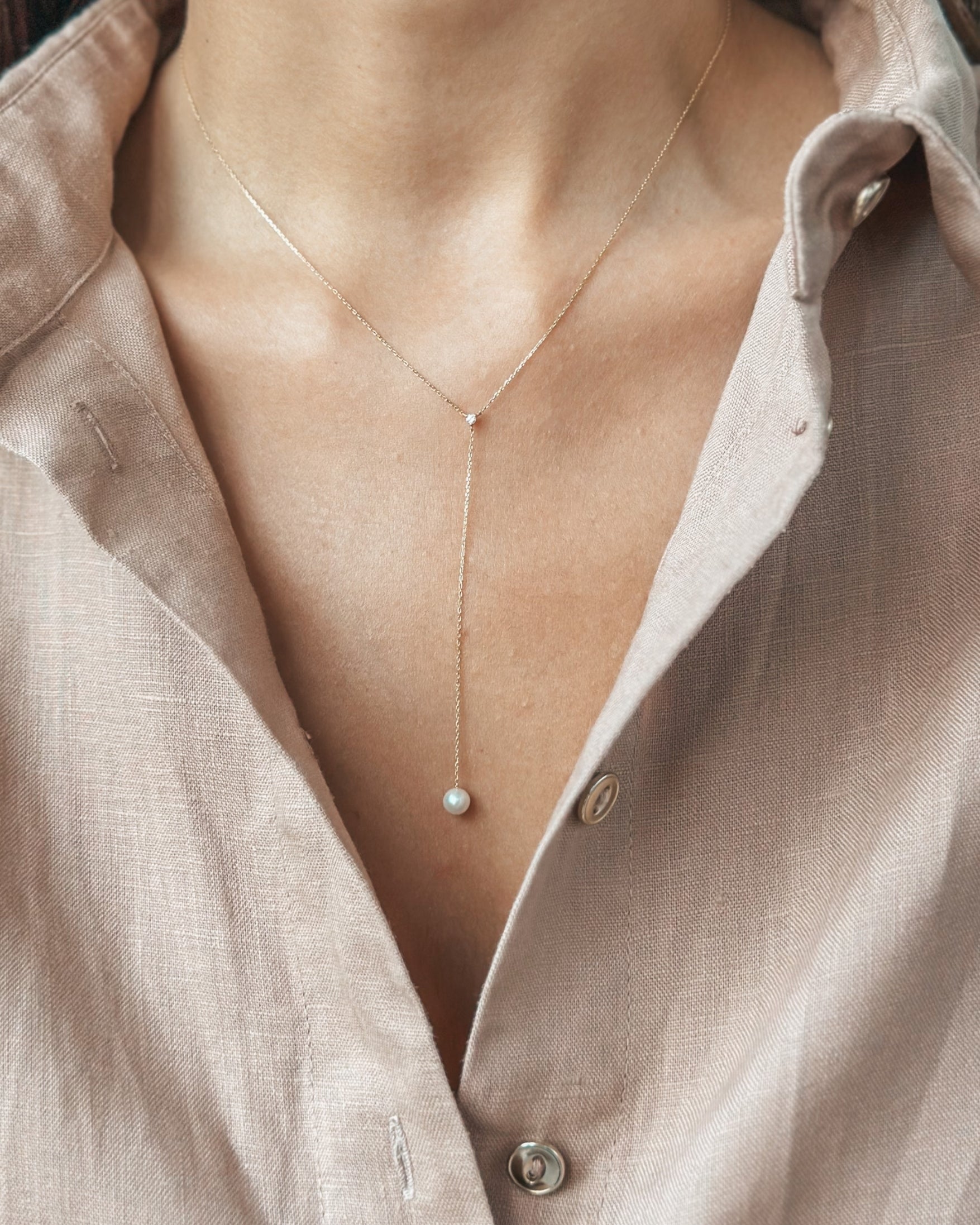
    With an elegant lariat design, this gold necklace combines the brilliance of the diamond at the base with the delicacy of a natural pearl that highlights the neckline, perfect for V-neck or strapless blouses.

    Complete the Look


    — Indira

    Mark your moments

    Minimalist gold lariat necklace featuring a single round white pearl drop and a delicate accent stone, centered on a white background.

    Fit & Feel

    Fit & Feel

    Product Details

    Weight

    Style

    Elegant

    Dimensions

    41 cm, 43.5 cm to 45 cm

    Stone Cut

    Natural form

    Stone Dimensions

    6mm x 6mm

    Carats

    0.03

    Stone Clarity

    SI1

    Stone Color

    G

    What's in the Piece

    Materials & Stones.

    Material

    14k Yellow Gold

    Our 14K Gold jewelry is crafted to last a lifetime. Gold jewelry does not oxidize and does not change color, even when worn daily, year after year.

    Care
    Stone

    Diamond

    Diamond is the hardest known natural material—the only gemstone that hits the top score, 10, on the hardness scale. It is made of pure, crystallized carbon.

    A diamond you wear today likely formed over a billion years ago, about 150 km deep in Earth's mantle, under unimaginable pressures.

    The rarest diamonds, blue ones, rose from depths of hundreds of kilometers and owe their color to traces of boron.

    It was brought to the surface by ancient volcanic eruptions, through rocks called kimberlite—nature's true "elevators" from the deep.

    The diamond’s unmistakable brilliance comes from the way it refracts and disperses light—an effect called "fire." Its quality is graded by the 4Cs: cut, color, clarity, and carat.

    The notion that a diamond is a must for engagements isn’t nearly as old as it seems: it was born from a 1947 ad slogan, "A Diamond Is Forever," written by copywriter Frances Gerety for De Beers and later named the greatest slogan of the 20th century.

    Some famous diamonds, like the blue Hope Diamond, carry the notoriety of a "curse"—a captivating tale, but just a tale, fueled by their tumultuous histories.

    The Koh-i-Noor diamond passed through the hands of Mughal, Persian, and Afghan emperors before it reached the British Crown, where it remains today.

    The most prized is the colorless diamond, but there are also fancy-colored diamonds—from yellow to pink and blue—some rarer and more valuable than colorless stones.

    A symbol of eternal love, purity, and strength, the diamond remains the classic choice for engagement rings and is the birthstone for April.

    Practically indestructible in everyday wear—but it does have cleavage directions, so a sharp blow to an edge can chip it; it’s worth protecting from heavy impacts.

    It cleans easily with a microfiber cloth. Its brilliance pairs beautifully with 925 silver, white gold, or yellow gold.

    Hardness · (Mohs Scale) 10. The hardest natural mineral; can only be scratched by diamond / 10
    Care
    Stone

    Pearl

    The pearl is the only precious gemstone created by a living organism.

    When a tiny irritant slips into an oyster, it coats it, year after year, in delicate layers of nacre.

    A quality pearl can take years to form; composed of calcium carbonate, it is naturally very delicate.

    Natural pearls were once pricier than diamonds; today, most are cultured, carefully grown on marine farms.

    One of the most famous pearls, La Peregrina, belonged to Queen Mary I of England in the 16th century, and in 1969 Richard Burton bought it for Elizabeth Taylor; it was later sold at auction for nearly 12 million dollars.

    Coco Chanel made pearls irresistibly chic in the 1920s, layering mixed strands—real and faux—boldly in broad daylight.

    Jackie Kennedy's famous pearls were, in fact, faux (glass), by Kenneth Jay Lane — proof that elegance isn't about price.

    Colors range from white and cream to pink, golden, or gray, each pearl boasting a unique luster and shape.

    The most prized cultured pearls come from Japan (Akoya), the South Seas, Tahiti, and China (freshwater pearls).

    A symbol of purity, elegance, and femininity, the pearl is one of June's birthstones.

    With a hardness of just 2,5–4,5 it is highly sensitive to perfume, perspiration, and chemicals.

    The golden rule: put it on last, after makeup and perfume, and gently wipe it with a soft cloth after wear. It is beautifully showcased in 925 silver and gold.

    Hardness · (Mohs Scale) 3. Can be scratched by a copper coin / 10
    Care

    Customer Reviews